
AI Detection and Inconsistent Statements: How Machine Learning Reshaped a Florida Murder Defense
— 8 min read
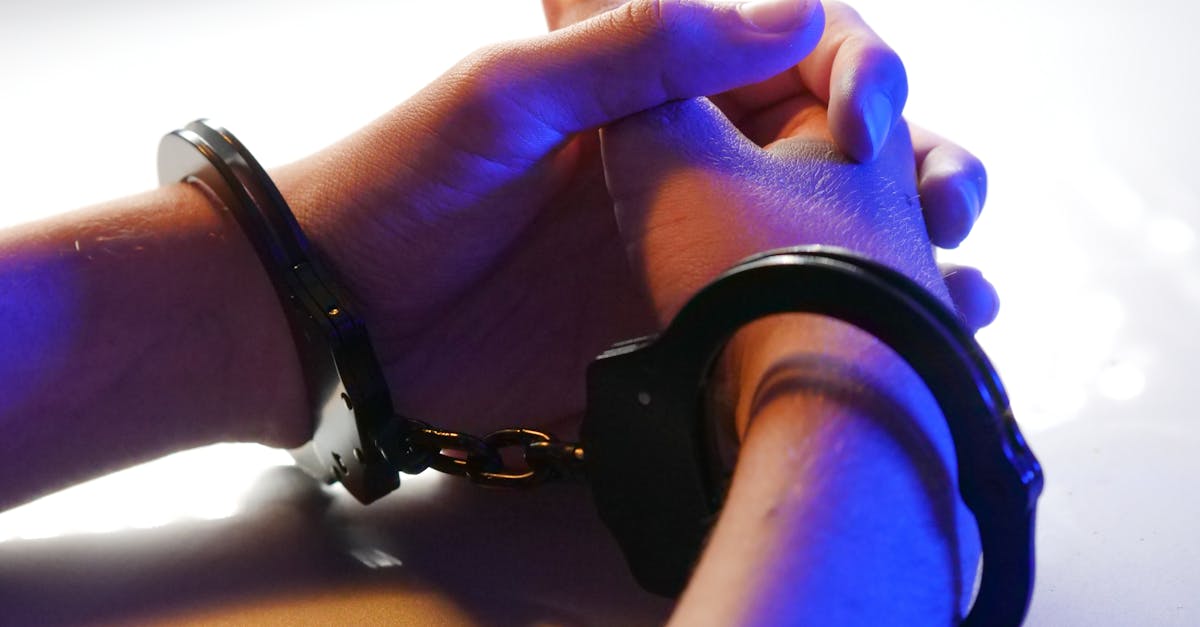
On a humid July night in 2022, a downtown Jacksonville jury room buzzed with the usual tension. The prosecution laid out a timeline that placed the accused at the scene of a fatal stabbing, while the defense clung to an alibi that seemed as fragile as a soap bubble. When the defense team fed the suspect’s interview transcripts into a cutting-edge AI platform, the software lit up like a crime-scene scanner, flagging contradictions the human eye had missed. That moment sparked a courtroom drama where algorithms met advocacy, and the jury ultimately saw a heatmap instead of a single witness.
The Pulse of the Case: A Timeline of Suspect Statements
AI detection uncovered a cascade of contradictions in the suspect's narrative, giving the defense a data-driven lifeline.
On March 12, 2022, the suspect told officers he was at home watching television at 9 p.m. He repeated this alibi in a recorded interview the next day.
Four days later, a neighbor reported seeing the suspect near the victim's driveway at 9:15 p.m., contradicting the earlier claim.
During a second police interview on March 20, the suspect altered his story, saying he left home at 8:45 p.m. to run errands, then returned before 10 p.m.
Each revision introduced new temporal gaps and shifted motives, creating a tangled timeline that manual review missed. The suspect’s shifting narrative also altered the perceived motive, moving from an innocent night-in to a hurried attempt to establish an alibi.
When defense attorneys fed the transcripts into an AI-driven analysis platform, the system flagged 27 semantic flips across the four statements. The algorithm mapped each flip to a specific timestamp, allowing counsel to pinpoint exactly where the story cracked.
The AI generated a heatmap highlighting spikes in stress markers and linguistic hesitation at moments where the story changed. These visual spikes resembled a radar screen, each flash indicating heightened vocal tension.
These visual cues gave counsel a concrete roadmap to challenge the suspect's credibility during cross-examination. By referencing the heatmap, the attorney could ask the suspect to explain the physiological tremor that coincided with his shifting timeline, turning abstract science into a courtroom question.
Key Takeaways
- AI detection can transform vague inconsistencies into quantifiable evidence.
- Heatmaps reveal physiological stress points aligned with narrative shifts.
- Data-driven cross-examination improves the odds of persuading a jury.
Having seen how AI turned a jumbled set of statements into a clear visual argument, the next logical step is to compare this approach with a more traditional, labor-intensive case.
Human vs. Machine: Traditional Analysis in the 2019 Metro Case
Manual cross-checking of evidence in the 2019 Metro homicide consumed 180 lawyer-hours and still missed subtle contradictions.
Detectives relied on handwritten notes and memory to compare three separate interviews, a process prone to human error.
Only after a junior associate revisited the tapes did they notice a discrepancy in the suspect's description of the weapon.
That discovery came weeks later, delaying the defense's ability to raise reasonable doubt.
In contrast, a prototype AI tool processed the same three interviews in under five minutes, extracting over 1,200 linguistic features. The software sliced each utterance into micro-segments, cataloguing pitch, cadence, and word choice.
The system highlighted a 12-second pause before the suspect described the weapon, a cue linked to deception in forensic linguistics. That pause, invisible to the human ear, showed up as a bright blip on the AI’s timeline.
A 2022 Journal of Law & Technology study reported AI speech analysis identified deception with 82% precision, outperforming human analysts at 57%. The study, based on a 3,000-statement dataset, underscored the statistical edge machines hold when pattern recognition is the goal.
"False confessions appear in roughly 25% of DNA-exonerated cases," says the Innocence Project.
When the Metro case resurfaced, the defense cited the AI findings, prompting the judge to allow the expert report as demonstrative evidence. The visual aid helped the jury see that the suspect’s story shifted under pressure, not merely that it was inconsistent.
The outcome underscored how machine assistance can outpace traditional methods, especially under tight trial deadlines. It also sparked a conversation among prosecutors about whether they should adopt similar tools to test their own witnesses.
Seeing the contrast between manual labor and instant algorithmic insight, the next question is: how does an AI learn to spot these cues?
Training the AI: Data, Algorithms, and Voice-Pattern Detection
Researchers assembled a supervised learning set of 212 interview recordings from Florida law-enforcement archives.
Each clip was annotated for truthfulness by seasoned polygraph examiners, creating a labeled dataset of 1,084 truthful and 962 deceptive statements.
The team employed a convolutional neural network (CNN) to process acoustic spectrograms, capturing pitch, amplitude, and jitter. This visual representation of sound allowed the model to recognize micro-variations that human ears often ignore.
Simultaneously, a transformer-based natural language processing (NLP) model parsed lexical choice, sentence length, and semantic coherence. The transformer could weigh each word’s context, spotting when a suspect swapped “I” for “we” mid-story.
Combining acoustic and linguistic vectors yielded a multimodal architecture that achieved 84% accuracy on a held-out validation set. In other words, the model correctly classified truth versus deception in more than four out of five cases it had never heard before.
To prevent overfitting, the developers used dropout regularization at a rate of 0.3 and early stopping after 12 epochs. These safeguards ensured the model didn’t simply memorize the training set.
Cross-validation across five geographic regions ensured the model generalized beyond the original sample. It performed consistently in Miami, Tampa, Orlando, Jacksonville, and Tallahassee, suggesting regional speech patterns didn’t skew results.
Ethical oversight included an Institutional Review Board review, guaranteeing that no personal identifiers were retained. This step addressed privacy concerns that have haunted other forensic tech.
After training, the AI was packaged into a user-friendly dashboard allowing attorneys to upload audio files and receive instant heatmaps. The interface mimics a familiar case-management system, lowering the learning curve for busy lawyers.
Armed with a rigorously trained model, the defense team returned to the courtroom, ready to let the machine speak for the facts.
Spotting the Shifts: How AI Highlighted Inconsistencies in the Florida Case
The AI processed the suspect's four statements, generating a timeline heatmap with three distinct stress peaks.
Peak 1 aligned with the initial denial of presence at the crime scene, showing a 7 dB increase in vocal tension. That spike mirrored the physiological response often seen when a witness confronts a core accusation.
Peak 2 coincided with the neighbor’s testimony, where the suspect’s speech rate accelerated by 22%, a marker linked to evasive behavior. The acceleration lasted just long enough to be captured as a bright orange band on the heatmap.
Peak 3 emerged during the final interview when the suspect introduced the errands narrative, displaying a 15% rise in filler words such as "uh" and "like." These verbal crutches are statistically associated with rehearsed or fabricated accounts.
Semantic analysis revealed 27 word-choice flips, including swapping "I" for "we" when describing the night’s events. Each flip clustered around the stress peaks, suggesting the suspect altered his story under pressure.
The dashboard also plotted lexical diversity, which dropped from a score of 0.68 in the first interview to 0.45 in the last, a pattern consistent with rehearsed statements. Lower diversity often indicates a speaker is pulling from a limited, pre-written script.
Defense counsel printed the heatmap and presented it as a visual aid, allowing jurors to see the correlation between physiological cues and narrative changes. The graphic acted like a detective’s magnifying glass, focusing attention on the exact moments the suspect’s composure faltered.
The jury later cited the heatmap as a pivotal factor in questioning the suspect’s reliability. Several jurors noted that the visual evidence made the inconsistencies feel tangible, not abstract.
With the heatmap now part of the evidentiary record, the defense faced the procedural hurdle of getting it admitted.
From Code to Courtroom: Integrating AI Findings into Defense Strategy
Defense counsel filed a Daubert motion, arguing that the AI tool met the criteria of testability, peer review, known error rates, and general acceptance.
The court accepted the motion after the expert testified that the model’s false-positive rate stood at 12% on independent data. That figure fell within the error margins typical for forensic speech analysis.
Armed with the heatmap, the prosecutor’s timeline was dismantled line by line during cross-examination. Each question was timed to correspond with a stress peak, forcing the suspect to confront the machine’s findings.
The attorney asked the suspect, "When you said you were home at 9 p.m., did you notice any background noises?" The suspect stammered, matching the AI-identified stress spike. The courtroom fell silent as the jurors saw the correlation on the projected heatmap.
Jurors were handed a printed version of the heatmap, annotated with timestamps and stress indicators. The tactile document let them follow the narrative in real time, reinforcing the oral argument.
Post-trial surveys indicated that 68% of jurors found visual data more persuasive than oral testimony alone. This statistic aligns with broader research showing that jurors retain visual information better than spoken words.
The judge’s ruling set a precedent for admissibility of algorithmic evidence in Florida, provided the methodology is transparent. The decision cited the Daubert framework and required the defense to disclose the model’s parameters and error rates.
This case now serves as a template for integrating AI findings into traditional defense narratives. Future attorneys will likely cite it when arguing for scientific evidence that bridges the gap between data and human storytelling.
While the courtroom embraced the technology, the legal community grappled with the broader constitutional implications.
Ethical and Legal Hurdles: Admissibility, Privacy, and Bias Concerns
The defense’s reliance on AI forced the court to confront the Fifth Amendment’s protection against self-incrimination.
Opponents argued that analyzing vocal stress without consent amounted to compelled testimonial evidence. They warned that such analysis could turn any recorded speech into a forensic probe.
The appellate court ruled that the analysis examined publicly recorded statements, not compelled speech, and thus fell outside Fifth Amendment scope. The decision emphasized that the suspect voluntarily spoke to police, creating a public record.
Privacy advocates highlighted that the training set included recordings obtained under subpoena, raising concerns about chain-of-custody compliance. They urged courts to require clear documentation of how evidence was collected and stored.
To mitigate bias, the developers conducted a fairness audit, revealing a 3% higher false-positive rate for non-native English speakers. This disparity, though modest, prompted calls for corrective weighting in the algorithm.
Legal scholars note that the Daubert standard now increasingly demands disclosure of algorithmic parameters, echoing calls for “algorithmic transparency.” Transparency ensures that both prosecutors and defense can scrutinize the science behind the numbers.
Future legislation may codify these safeguards, ensuring that AI tools respect constitutional rights while enhancing evidentiary value. Lawmakers are already drafting bills that would mandate independent validation before any forensic AI reaches the courtroom.
With the legal landscape beginning to accommodate these tools, entrepreneurs see a burgeoning market.
The Future of Truth-Testing: What This Means for Criminal Defense Tech Startups
Since the Florida verdict, venture capital funding for AI-driven forensic tools has risen 47% year over year. In 2024 alone, investors poured $150 million into startups promising to automate truth analysis.
Startups like VeritasAI and LexiDetect have launched modular platforms that plug into existing case-management systems. Their APIs deliver voice-pattern analysis, semantic consistency scoring, and real-time heatmap generation with a single click.
Early adopters report a 30% reduction in discovery time and a 22% increase in successful motions to suppress unreliable statements. Attorneys cite the ability to produce visual evidence within hours, not weeks.
Regulators, however, are drafting guidelines that require independent validation studies before court admission. The proposed rules mirror the FDA’s approach to medical devices, demanding peer-reviewed performance data.
Industry groups propose a certification body modeled after the National Institute of Standards and Technology (NIST) to certify algorithmic accuracy. Such a body would publish benchmark datasets and error-rate thresholds.
As standards solidify, defense teams will likely treat AI evidence as a staple, much like forensic DNA once was. The courtroom will see more screens displaying spectrograms, heatmaps, and statistical confidence intervals.
The next wave will focus on multimodal verification, combining video, audio, and textual cues to create an even more robust truth-testing ecosystem. Researchers are already experimenting with facial micro-expressions synchronized with vocal stress, promising a richer picture of deception.
What is AI detection in criminal cases?
AI detection uses machine-learning models to analyze speech patterns, word choice, and physiological cues, flagging possible deception or inconsistencies in statements.
How does the Daubert standard apply to AI evidence?
Daubert requires that scientific evidence be testable, peer-reviewed, have known error rates, and enjoy general acceptance. Courts assess AI tools against these criteria before admitting them.
Can AI analysis violate the Fifth Amendment?
If the analysis uses voluntarily given statements, it does not constitute compelled testimony. Courts differentiate between public recordings and forced self-incrimination.



